


Transcatheter Edge-to-Edge Approach to Repair Large Coaptation Gaps: The Zipping Technique

Tricuspid transcatheter edge-to-edge repair is a safe and effective option to treat symptomatic severe tricuspid regurgitation (TR). 1 However, procedural success remains limited by several anatomical challenges, including large coaptation gaps, that are known to be a predictor of procedural failure. 2 Large coaptation gaps are commonly found in patients with advanced atrial TR with […]
Fundamental Roles of Intracardiac Echocardiography and Fluoroscopy in Redo Tricuspid Transcatheter Edge-to-Edge Repair Procedure
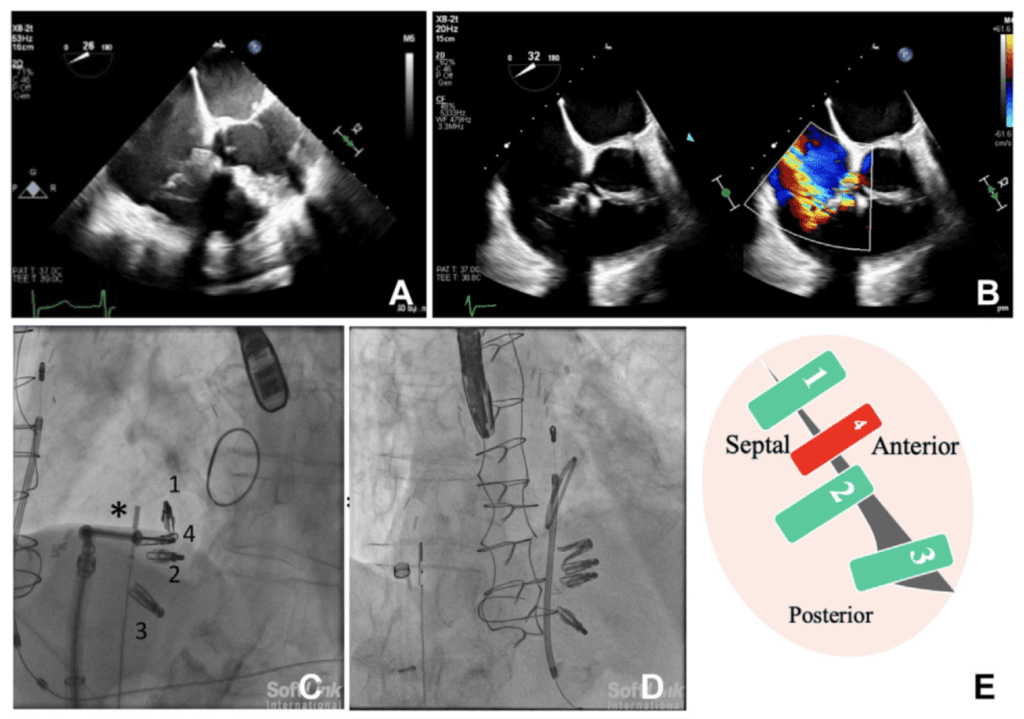
The success of a tricuspid transcatheter edge-to-edge repair (T-TEER) procedure in the treatment of tricuspid regurgitation (TR) is highly dependent on intraprocedural imaging. High-quality echocardiographic screening and procedural guidance are of vital importance for procedural success. 1, 2 Transesophageal echocardiography (TEE) of the tricuspid valve can be challenging because of variable anatomy, the presence of […]
MR imaging of primary benign cardiac tumors in the pediatric population
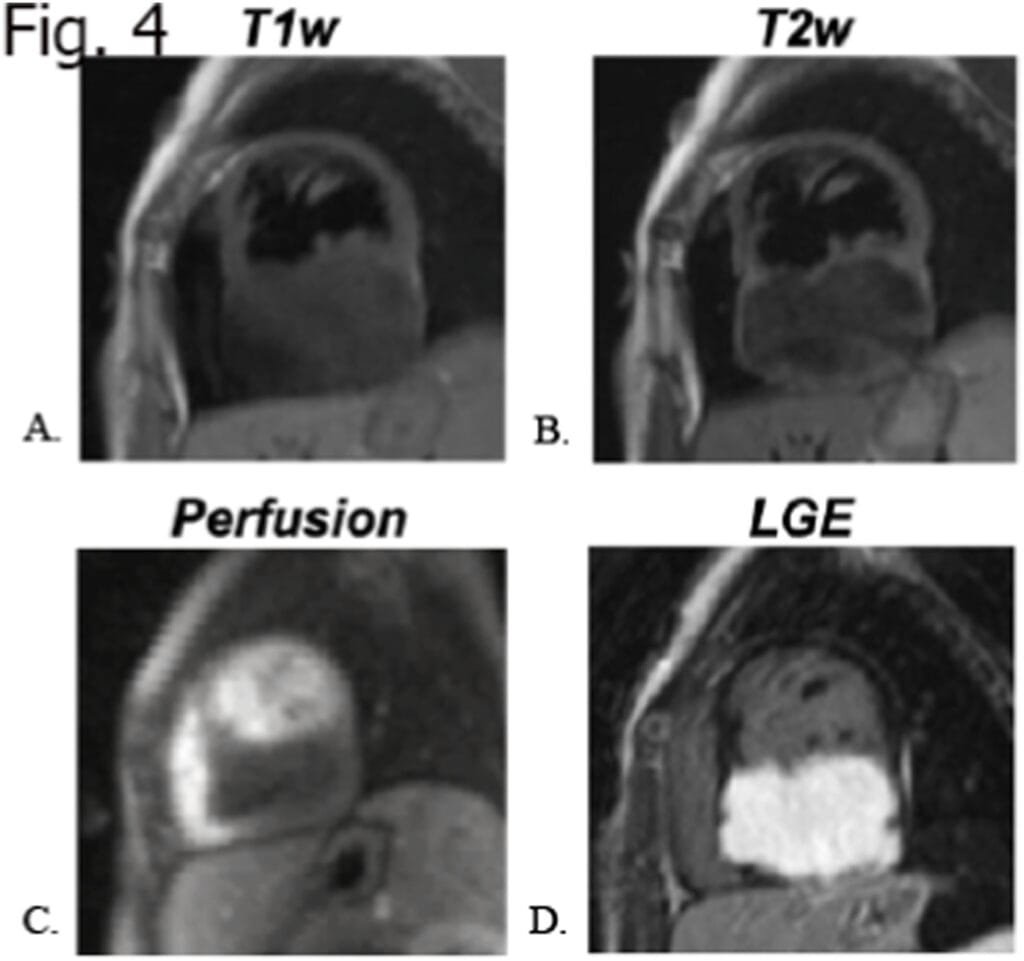
Primary cardiac tumors are rare in all ages, especially in children, with a reported prevalence range of 0.0017–0.28% in autopsy series. Due to their rarity, the diagnostic and therapeutic pathways reserved to them are usually described by single case reports, leading to the point where a common diagnostic protocol is imperative to obtain a differential […]
Pulmonary hypertension
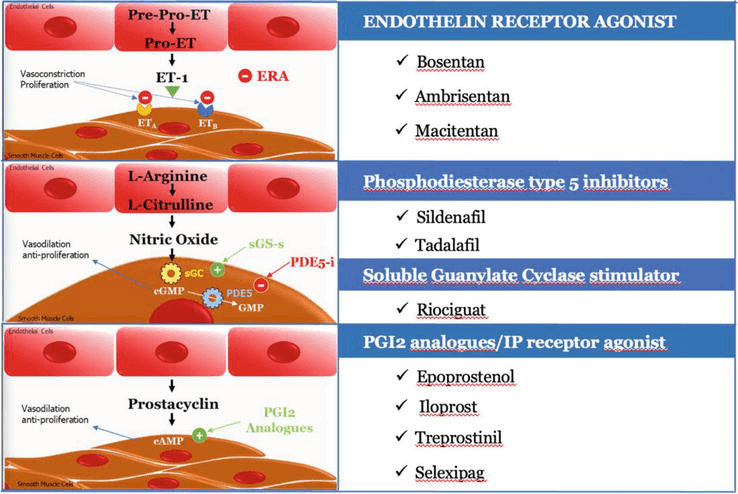
Pulmonary hypertension (PH) is a complex and multifactorial syndrome, partly unknown, characterized by a profound alteration of pulmonary vasculature and, consequentially, a rise in the pulmonary vascular load, leading to hypertrophy and remodeling of the right heart chambers. The World Health Organization assembles the several forms of PH into five clinical groups: group 1 includes […]
Advanced cardiovascular imaging in chemotherapy-induced cardiotoxicity
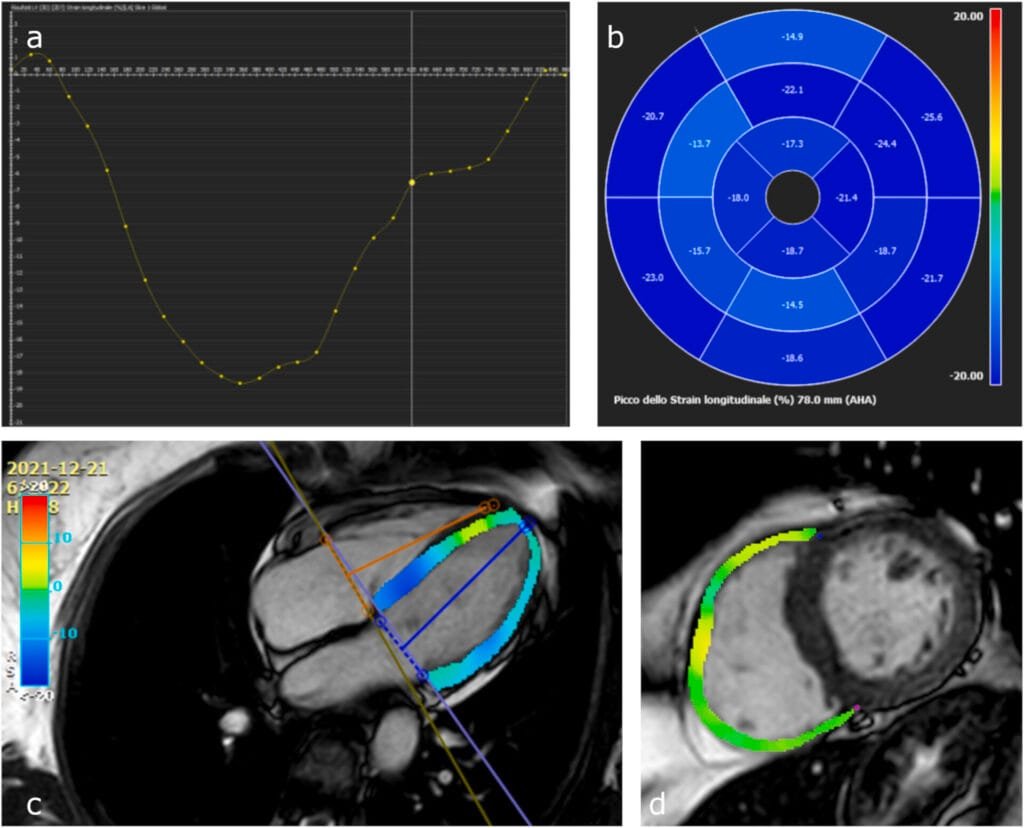
The development of cardiotoxicity induced by cancer treatments has emerged as a significant clinical problem, both in the short run, as it may influence drug administration in chemotherapeutic protocols, and in the long run, because it may determine adverse cardiovascular outcomes in survivors of various malignant diseases. Therefore, early detection of anticancer drug-related cardiotoxicity is […]